Noticeable discoloration and irregular patterns
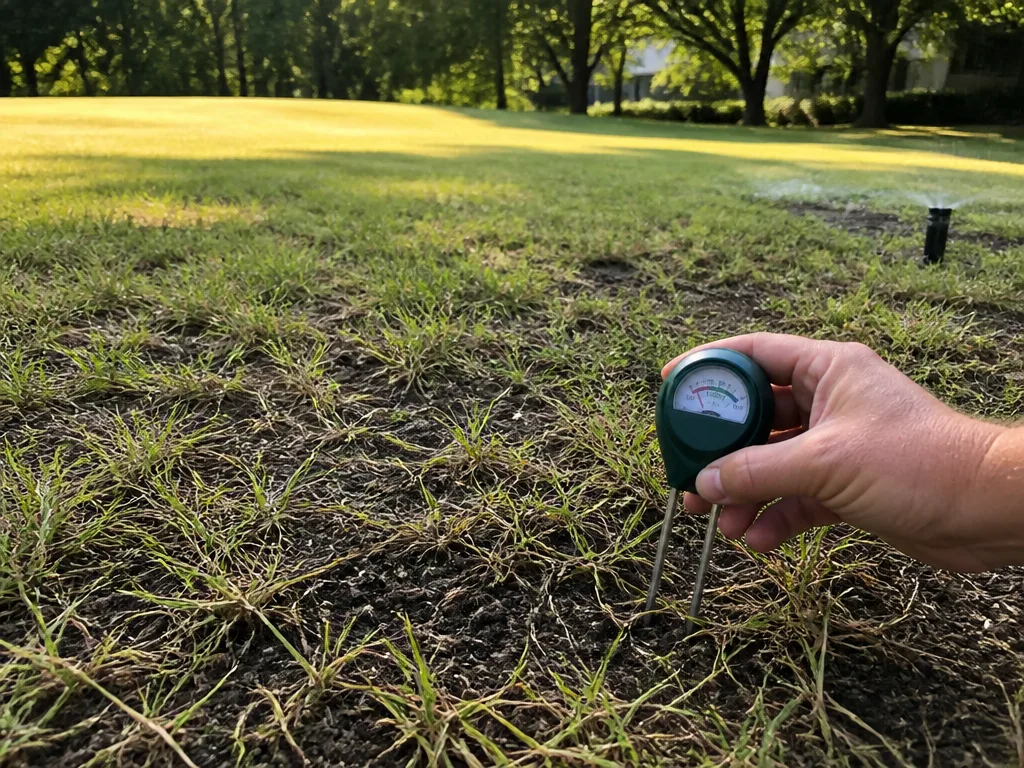
Across Tennessee, a lawn that starts to fade or develop uneven patches is worth a closer look. Yellowing blades, straw-colored areas, or brown rings can signal stress from heat, drought, or soil compaction. Our team sees these patterns often in late summer when rainfall is inconsistent. A quick check can stop a problem from growing: compare irrigation depth, soil moisture, and turf recovery after a light foot tread.
Two or three dry weeks in a row can leave lawns looking tired. If you see patches that don’t green up after a deep soak, it’s time to dig a little deeper. A lawn care specialist will check soil moisture, root health, and thatch layers to identify the root cause rather than guessing and treating blindly.
Unusual texture changes and thinning
When a once-dense lawn thins or feels spongy underfoot, something is off. Compaction from foot traffic, heavy equipment, or clay soils common in parts of Tennessee can choke root growth. A compacted soil layer prevents water and air from reaching roots, leading to a thin look that won’t recover with a quick mow. Our crew commonly recommends a core aeration to relieve pressure and improve overall resilience.
Look for foot traffic patterns near sidewalks, driveways, and play areas. If those areas stay thin after a growing season, a lawn care specialist can suggest gentle overseeding and timing adjustments to help seed-to-soil contact in the next cycle.
Water stress signs and irrigation cues
Under humid Tennessee springs and hot summers, irrigation needs can swing quickly. Signs of water stress include blue-gray color, footprints that stay visible after walking on the lawn, and soil that remains dry several inches below the surface. A broad rule for many Tennessee lawns is to water deeply but less often, encouraging deeper roots. Our team recommends applying 1 to 1.5 inches of water per week, split into two sessions, if rainfall is insufficient.
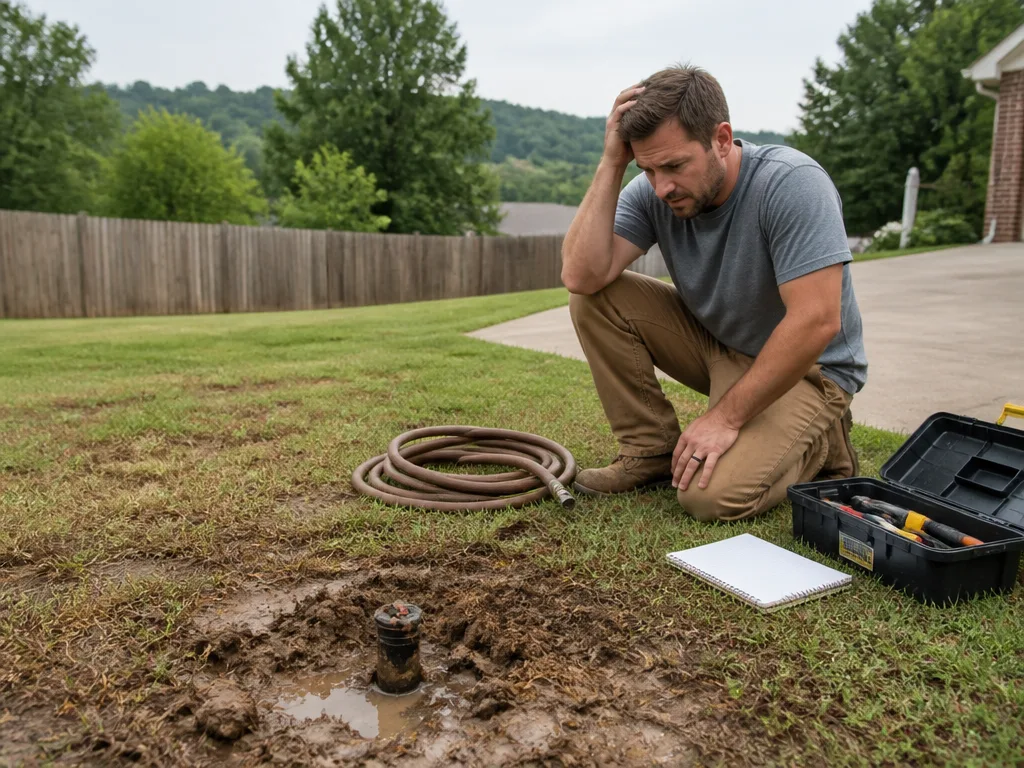
Tools like a simple tuna can or a rain gauge can help you measure how much you’re actually applying. If you notice uneven wetting or puddling after irrigation, a lawn care specialist will adjust sprinklers, check for broken heads, and optimize coverage across the property.
What to do next if you spot trouble
Take notes on when you first saw the signs, how much water you gave, and any recent weather changes. In Tennessee, timing matters, early spring and fall are better windows for preventive actions. If the problem spreads or doesn’t respond to small adjustments, it’s wise to bring in a lawn care specialist who can diagnose soil health, thatch thickness, and drainage issues with a practical plan for recovery.
Our crews in every Tennessee metro are ready to assess and tailor a plan that fits your yard. A clear, no-nonsense approach helps homeowners keep lawns resilient through seasonal shifts.